Berkeley Retail Wars: ‘Occupy Hopkins Street’

saveourshop111911.jpg

Berkeley is blessed with several lovely neighborhood shopping districts. A couple of those areas feature stores that started out as world-class produce markets and have turned into big groceries. One of those is Berkeley Bowl, so called because it opened in an old bowling alley on Shattuck Avenue in South Berkeley. The Bowl now has two big stores, a fanatic following, and its share of idiosyncrasies (a few years ago, when a Los Angeles Times ran a piece on the sometimes frenetic strangeness of the Berkeley Bowl scene, including its practice of lifetime bans for shoppers who sample produce without buying, the writer himself was banned).

In our neighborhood, the Monterey Market is a legendary produce emporium. Its proximity is a real-estate selling point. I will say that perhaps I have not taken full advantage of this resource. It’s ridiculously crowded most of the time and often the produce hasn’t seemed like the greatest (we all have standards by which we judge; I’m attuned to the condition of the yellow and red onions). The store is not without its own peculiar baggage: A couple years ago, a falling out among members of the family that owns the half-century-old market led the brother who had managed the store to step down. At the time, it was hinted that a desire among some members of the owners, the Fujimotos, wanted the enterprise to become more profitable (my friend and former San Francisco Examiner colleague Carol Ness wrote about the situation here: Ethicurean: “Fujimotos’ departure from Monterey Market a tough blow to local food chain”).

The market has changed visibly since the management changed. Nothing radical–it just looks a little spruced up. At the same time, there has been some unease in the Hopkins Street neighborhood about the new management’s practice of more aggressively stocking items also sold by local specialty stores. Last year, I ran down to the market to buy flowers from the guy who had a little floral business on the street outside the market. He’d been there for years, always had a nice selection, and made beautiful bouquets. He complained that the store had begun selling flowers and was doing so much more cheaply than he could and was driving him out of business. He felt it was a little unsporting and complained that the owners had other plans, such as opening a to-go coffee window that would compete with the cafe across the street. “I don’t understand,” he said. “Why can’t there be enough for everyone out here? Why do they feel like they need to take it all?” I don’t know the current status of the flower-seller; I haven’t seen him since that day.

But apparently that sentiment is spreading. This morning, a friend forwarded an email about a petition that’s being circulated in one some of the other shops on Hopkins Street. The email’s subject line: “Occupy Hopkins, aka there’s enough for everyone.” It says, in part: “MM (Monterey Market) has expanded its supply of wines and the liquor store on the corner is really suffering. They have added a large variety of gourmet cheeses and sausages…the same varieties as Country Cheese….and have reduced prices below what Country Cheese can afford to do, causing a reduction in the cheese store’s business. They also have added a large variety of plants and flowers and herbs in direct competition with Berkeley Hort Nursery, the flower vendor on the street, and Freshly Cut.”

The petition aims to get the attention of the Monterey Market owners as well as encourage people to patronize all the shops in the small retail district. At bottom, this is the Wal-mart vs. Main Street battle in miniature–a bigger competitor with bigger purchasing power threatening smaller, limited rivals. We know how the Wal-mart fight usually goes, I think. It will be interesting to see how this plays out in microcosm.

Berkeley Fire, Haste and Telegraph

berkeleyfire111811.jpg

Updates here:

Berkeleyside: Devastating fire in apartment building
Daily Cal on students displaced by fire
KTVU: Streets around fire scene closed indefinitely
The Daily Cal’s Storify page on the fire.
ABC7 report on early progress of fire.
Brief report from Oakland Tribune (worth it for the short photo slideshow)

A five-story, 39-unit apartment building at Telegraph Avenue and Haste Street in Berkeley, three blocks south of campus, burns late Friday night, November 18, 2011. Kate and I were headed home, up Telegraph Avenue, when we heard a KCBS radio report on the fire. Telegraph was closed at Dwight Way, so we worked our way up to Bowditch, across from People’s Park. To avoid a police line, we walked through the park with other spectators. The radio reports described this as a four-alarm fire [later updated to five alarms] and we saw units from Berkeley, Oakland, and Alameda County. The TV reports I’ve seen since we got home say the fire was first reported at 8:45 p.m. If that’s true, it took a long time for the building to become fully engaged, because even pictures taken after 10 p.m. show smoke but no visible flames coming from the building. About 11 p.m., KCBS reported that firefighters had been withdrawn from the building’s interior because the fire had rendered the structure unsafe. For the half hour or so we were out there, water was being aggressively dumped onto the fire (including from the aerial apparatus at right), but the more open flame appeared and the fire seemed to spread. One would guess the building, which had several restaurants on the ground floor, is a total loss. While I was taking some video at along Haste Street, a firefighter walked up the street looking for people who lived in the building. He found a few, and directed them to Moe’s Books, where the Red Cross, around the corner on Telegraph, where the Red Cross had set up an aid station.

From KTVU, a possibie explanation for the fire’s spread:

Assistant Fire Chief Donna McCracken said that when fire crews entered the building, it appeared that the blaze began in an elevator equipment room.

“It’s an elevator shaft with open spaces for the fire to travel,” said McCracken. “So, by that time it was already working its way up. It’s a very old, wood-structure building with lots of concealed spaces and the fire already had a head start.”

Below: cellphone video shot on south side of Haste Street, just east of Telegraph.

Occupy and Recall

occupy-recall111114.jpg

Juxtaposition at the corner of Adeline and Market streets in North Oakland; shot from the driver’s seat of the Oakland-Roving Minivan (I was stopped at the light). Movable object meets resistible force.

If you haven’t been following the story:

Jean Quan recall drive opened by Oakland group
Group seeks to recall Oakland Mayor Jean Quan
The Tragedy of Jean Quan

High Country: Carson Pass and Beyond

carsonpass111211.jpg

Since the automobile-borne traveller can’t and doesn’t want to do straight-line trips in the Sierra (lots of river canyons, ridges, peaks, valleys, and rocky defiles of every description in your way), our trip last Saturday from the Calaveras County outback to the alpine embrace of Hope Valley was roundabout. Employing our usual late start, we made it to Carson Pass (elevation 8,573 feet) just as the sun was setting. Just east of the pass on Highway 88 there was a turnout, and we pulled over to take in the scene. Above: looking north: Red Lake Peak (elevation 10,063). Below, looking east, across Red Lake (elevation 7,800); I think the mountain in the left-center distance is Hawkins Peak (elevation 10,024).

redlake111211.jpg

Aspen, Up Close

aspen111311.jpg

We made a long weekend trip up to the Sierra over the Armistice/Veterans Day weekend. Friday: to Calaveras County to visit our friends Piero and Jill, who have a couple acres and a cabin up there. Saturday: After more hanging out at the 4,800-foot contour, we drove back out to Highway 88, then drove up over the passes to an aspen-filled highland valley just south of Lake Tahoe (it’s called Hope Valley, elevation about 7,000). This is a place that a lot of cyclists get to know because it’s on the route of the Tour of the California Alps (a.k.a. Markleeville Death Ride). There’s a resort there called Sorenson’s that I’ve passed by many times. As I said to Kate as we headed there, I have long harbored the desire to visit the place in the fall to see the aspens take on their fall color; I wanted to make the drive even though I was pretty sure all that gold and orange I’ve seen pictures of is well past.

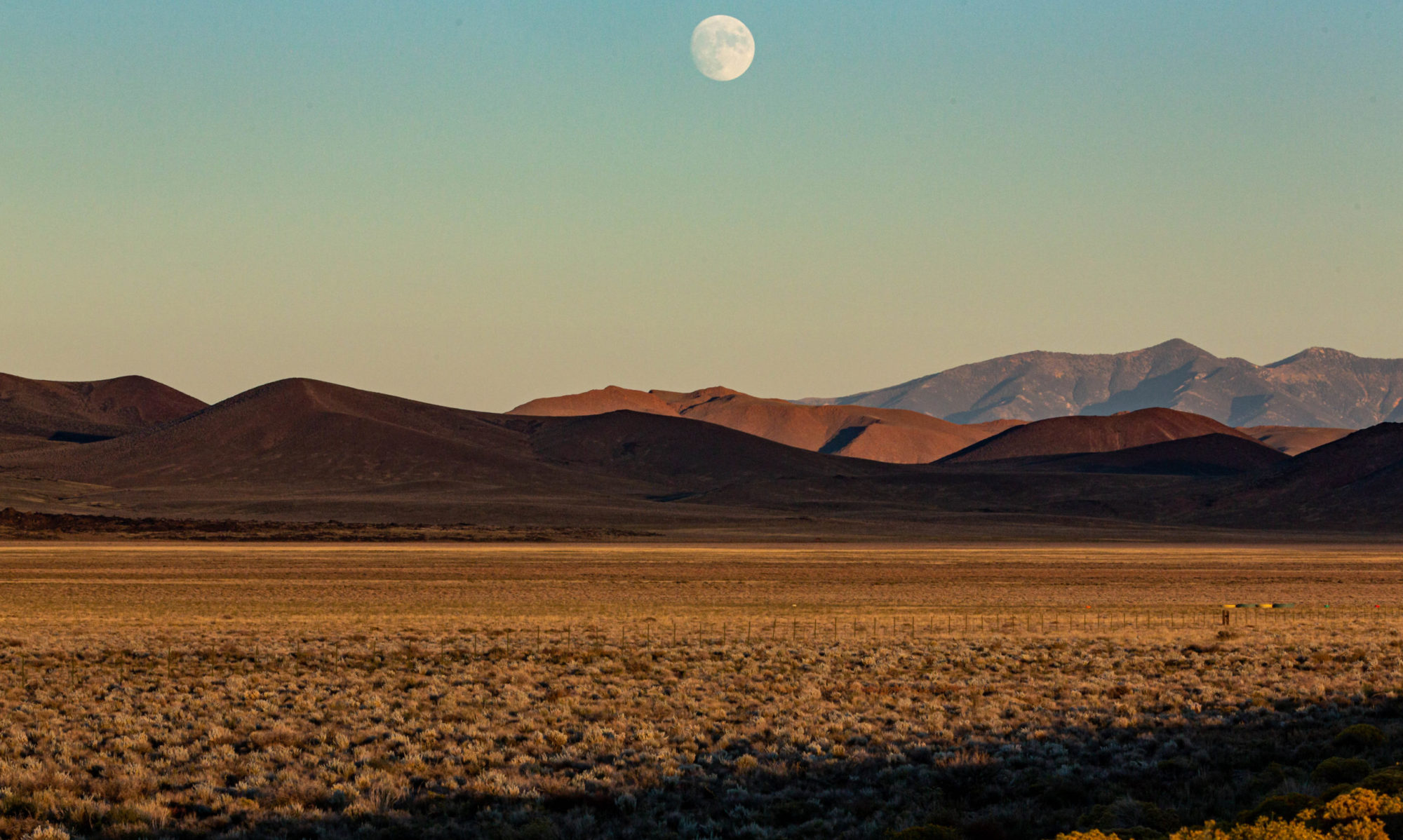
We just showed up late in the afternoon yesterday on the off chance they’d have a cabin, one, and two, that they’d be OK with us having a dog in the room. We scored on both counts. Last night, after listening to the Oregon-Stanford game on the radio (Go Ducks), we went for a walk in the near-full moonlight up a trail behind the resort. It was cold enough that frost had formed on the surfaced of the eight or ten inches of snow on the ground and made the footing pretty good uphill and downhill. This morning before breakfast, we took the same walk. As I expected, the aspens had shed all their leaves. But there are big stands of them up the trail and throughout the valley–quaking aspens, Populus tremuloides (seriously), so called because it’s said their leaves stir in the slightest breeze.

From afar, their bark is white, or silver, or gray. They’re striking in a mountain landscape. From closer up, you see something different happening in the bark–large scars and knots. And getting very close, galaxies of these tiny (pigment?) rings.

Posted in Berkeley: General Strike

huelga110211.jpg

Or “Huelga General,” if you want to be more literal (and Spanish) about it. Posted in the window of Subway Guitars at Cedar and Grant streets. (In fact, we’re in between “general strikes.” This poster refers to the event last week. And now students up at Cal are planning another one for next Tuesday, largely in response to the aggressive police tactics employed the other day to prevent protesters from setting up an “Occupy” encampment.)

Occupy Oakland, from Near and Far

occupy110211.jpg

If you don’t live in the immediate Bay Area, or even if you do, you’ve been hearing about how violent last week’s Occupy Oakland “general strike” was. On NPR’s “Wait, Wait, Don’t Tell Me”–not a news show, I know, but still a place I usually think of as careful with facts, the day was summarized as one where police clashed with protesters who tried to shut down the city’s port. No police tried to stop the port shutdown, there were no clashes there, and the protesters succeeded in shutting down the port.

Here’s the way a local news commentator, who knows better, puts it: “The place for action last week was Oakland, where thousands of righteous demonstrators who believe they’ve been marginalized by those in power clashed with police, littered parks, broke windows and defaced buildings to vent their anger at the callous disregard they’ve experienced.”

Leaving for later why these accounts have gained currency–a combination of destructive, belligerent behavior by a relative handful of the demonstrators combined with the media’s natural tendency to focus on trouble wherever it occurs–I just want to say don’t believe everything you read or see (also leaving for later: the philosophical conundrum of whether you should believe anything you read or see right here).

From talking to both participants and people who covered the events that day, the vast majority of folks who took part in the Occupy Oakland strike were people bent on just one thing: peaceful protest. (Next you’ll want to know what they were protesting, and I think you’d get a thousand, or ten thousand, different versions of what brought people out there).

Anyway, here are some pictures of signs seen that day, long before the late-night miscreants (self-styled anarchists whom a friend calls “joy-riding thugs), seized their moment.

Web Billiards: Alfred, Lord Tennyson Edition

Kate (the Redoubtable One) related the following:

A teacher colleague of hers, a published poet, has started a poetry blog. On said blog, her colleague had written a post on Alfred Lord Tennyson’s “Ulysses.” It’s a well-known and widely quoted work, and I’ll lay odds that you’ve encountered this conclusion somewhere before:

“Though much is taken, much abides; and though
We are not now that strength which in old days
Moved earth and heaven, that which we are, we are—
One equal temper of heroic hearts,
Made weak by time and fate, but strong in will
To strive, to seek, to find, and not to yield.”

Kate encountered one line she was wondering about: “… To sail beyond the sunset, and the baths of all the western stars. …” What exactly does “baths” mean in this context? Like so many of us do for so many hours of the day, she went looking for an answer online. One of the potential answers returned in her search was the following, on a site called Cruiser Log. I kind of think Odysseus would have taken this guy on as a crewman:

Title: To Sail Beyond The Sunset, And The Baths Of All The Western Stars (Or the other way, that’s cool too)

Home Port:Venice Beach, CA
Location Now:United States
Posted 15 August 2011 – 01:21 AM

I’m looking to crew on any boat going any place. Deliveries/passages/cruising/shakedowns/adventures/surveys/secret missions/artistic escapes/jail breaks are all copacetic.

I’ve sailed across the Pacific, in the Caribbean, and all over North America. I can stand watch, tie a bowline, converse pleasantly, get the job done, and grill. My (non-grill) cooking leaves much to be desired (but not my cleaning).

I sail for free, unless you are a commercial operation or a paid delivery. (Don’t ask me to crew for experience on a paid delivery, please.) I can’t contribute to food costs, generally.

I’m based in California. I’m 21. I’m blond. I can fly anywhere to meet you (miles, baby). I’m experienced, and free. I’m resourceful, and listen to how you want to run your boat, regardless of my previous experience. My schedule can be tossed overboard: your’s is what matters. Talk to me. …

Harry

Back-Porch Visitor: The Meal

spider102311.jpg

As reported earlier, recent human activity at our address discommoded a spider that has taken up temporary quarters on our back porch. Its web was trashed.

Less than 24 hours later, the spider had spun a new web and was ready for business. In fact, just a few hours after we spotted the new web, our outdoor housemate had secured its first meal–apparently a honey bee. Kate mentioned this morning that these (and other) spiders weave patterns into their webs with silk that are highly reflective of ultraviolet light; the patterns mimic ultraviolet reflections from flowers. The theory, reported in 1990, is that the patterns trick prey, which expect a nice cool sip of nectar, into entering the web, whose proprietor has a different notion of refreshment.

spider102311a.jpg